SPI Learning Logo
Professional Utility Training by SPI Learning
SPI Learning is Canada’s trusted provider of high-voltage safety, energized maintenance, and utility training. With experience training crews from ENMAX, Suncor, Stuart Olson, and SMU, our instructors deliver field-proven knowledge across North America. From dry ice blasting to aerial rescue, we turn compliance into confidence.
Scroll Down

    Available courses

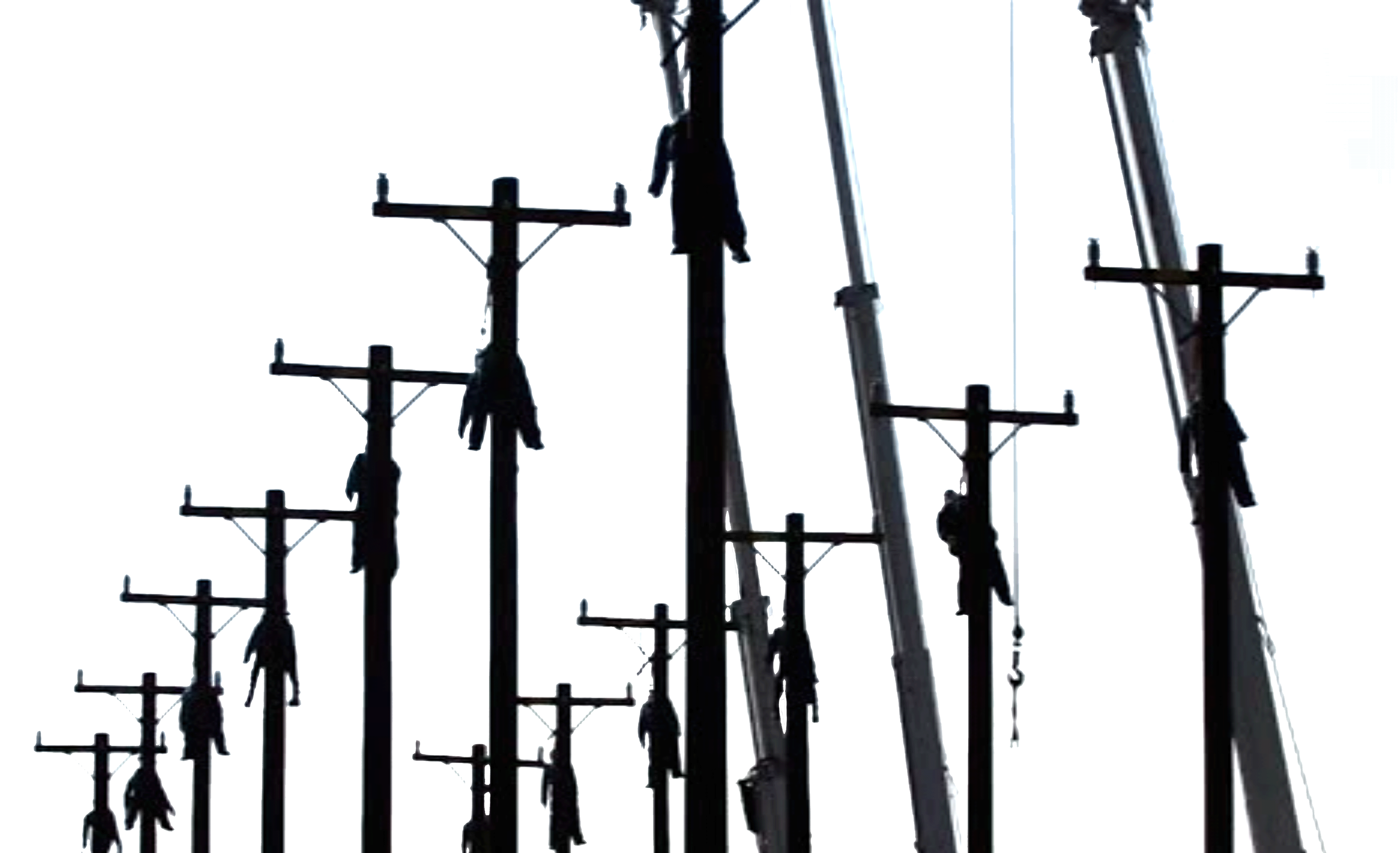
    This course provides practical, field-oriented training in Pole Top Rescue for professionals working at height in utility and high-voltage environments. It focuses on the critical procedures, tools, and safety practices required to perform an effective rescue of a suspended or incapacitated worker from a utility pole. Participants will develop a clear understanding of the five-step pole top rescue process, including scene assessment, victim access, rigging techniques, and controlled lowering using approved rescue equipment and methods.

    The training reinforces the importance of timely, safe, and compliant rescues in accordance with Alberta OHS Code (Part 9 – Fall Protection and Part 21 – Rigging) and applicable CSA standards. Through instructor demonstrations, hands-on practice, and field performance evaluations, learners will gain the skills to perform solo or team-based rescues under real-world conditions. Emphasis is placed on knot tying, handline rigging, equipment inspection, fall arrest protocols, and the use of either the crossarm or pole method for victim lowering.

    This knowledge is essential for protecting workers from the effects of falls and suspension trauma, reducing rescue response times, and ensuring every crew member can act decisively and safely in the event of an emergency.
    What Participants Had to Say:


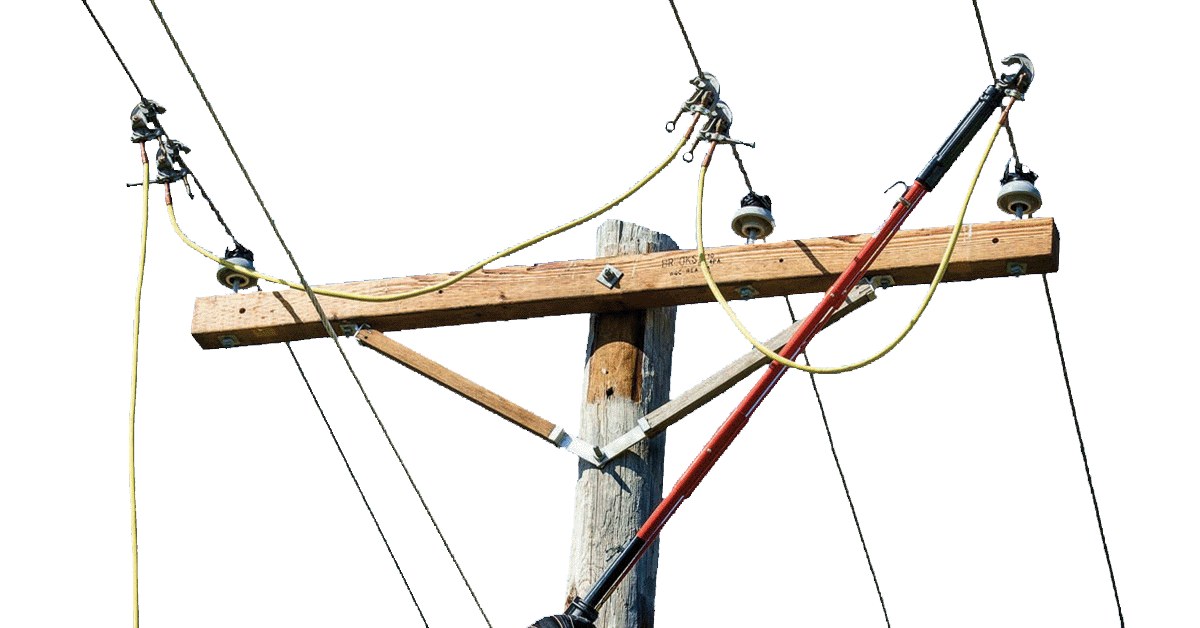
    This course provides comprehensive training on Electrical Power & Grounding (EP&G) for professionals working in high-voltage environments. It emphasizes the principles and best practices for installing and maintaining personal protective grounding systems to ensure safety during electrical work. Participants will gain a deep understanding of grounding theory, including the importance of grounding in preventing electrical hazards, the different types of grounding systems, and the materials used in EP&G. The course also covers the procedures for selecting, installing, and testing grounding equipment, as well as understanding electrical fault paths. Through practical examples and case studies, learners will understand the role of EP&G in protecting workers from electric shock, arc flash, and other electrical hazards. This knowledge is essential for maintaining a safe work environment and ensuring compliance with industry standards and safety regulations.

    What Our Students Are Saying:


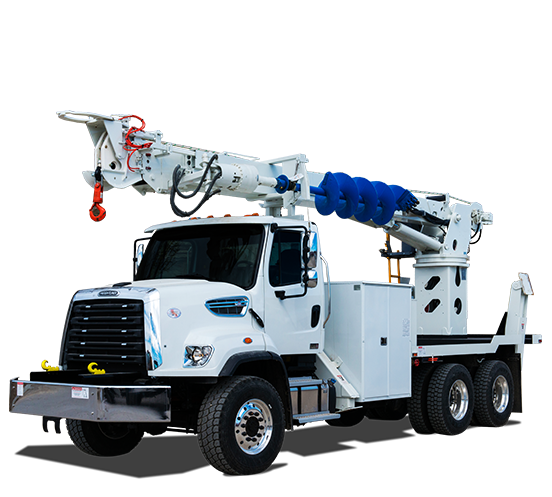
    This course focuses on training new and experience operators, powerline technicians, and support staff, to operate a Radial Boom Digger (RBD) Truck safely. Focusing on code, rigging safety, equipment care, safe operation and load weight estimation. This 40 hour hands-on course will act as a refresher for the experienced operator, and a starting point for the new operator. It positions employees to be recognize as competent operators for their employers and sets the ground work for enter a career as a RBD operator.


    Real Words from Real Crews:

    Course Highlights from the Field
    This course is an eight-hour training session—split between classroom and field instruction—designed to introduce utility professionals to modern inspection practices that improve safety, reliability, and cost control. Covering safety protocols, thermographic and ultrasonic imaging, structured inspection workflows, and integration with GIS/CMMS systems, the session positions inspections as a core component of utility risk management and infrastructure planning. Topics include risk-based asset prioritization, failure prevention, and the regulatory and financial implications of inspection quality. Real-world examples from Hydro One and BC Hydro illustrate how proactive inspection strategies reduce emergency repairs, extend asset life, and deliver measurable operational returns, making the case for modern, data-driven utility maintenance.

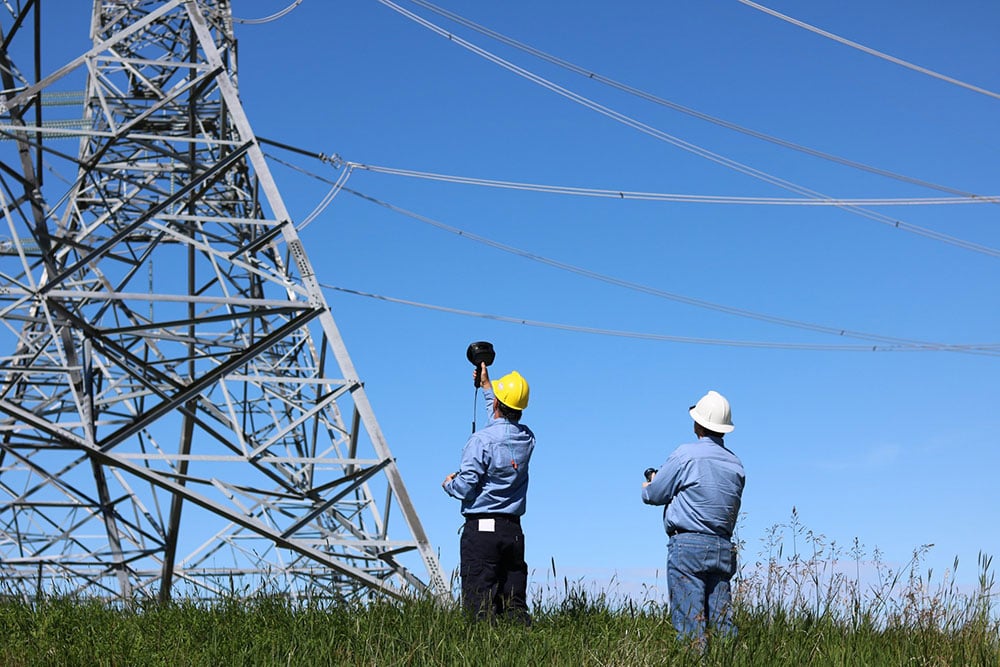
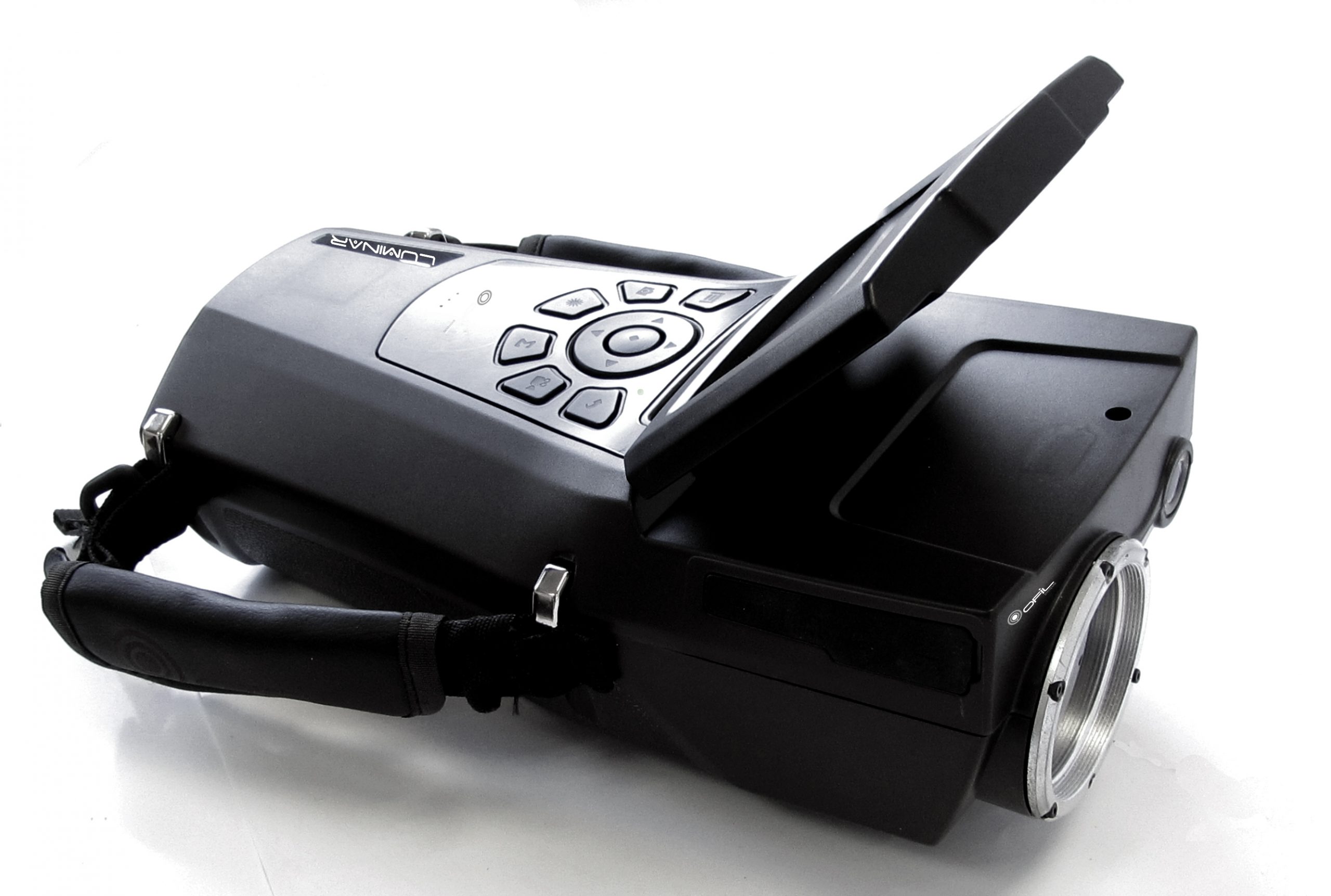
    This course focuses on training professionals in the field of ultraviolet (UV) imaging, emphasizing its theory and applications in electrical power systems. It delves into the principles of UV imaging, exploring its vital role in inspecting and maintaining electrical infrastructure. Participants will gain in-depth knowledge of UV imaging theory, including the science behind UV radiation, camera technology, and the interpretation of UV images. The course also covers practical applications, particularly in diagnosing and managing issues related to non-ceramic insulators, pole fires, and substation equipment. Through a combination of theory and case studies, learners will understand how UV imaging is instrumental in detecting insulator degradation, corona discharge, and other electrical faults. This knowledge is crucial for ensuring the safety, efficiency, and reliability of power transmission and distribution systems.


    What Participants Thought about the OFIL City Course: