- Teacher: Elton Hunter


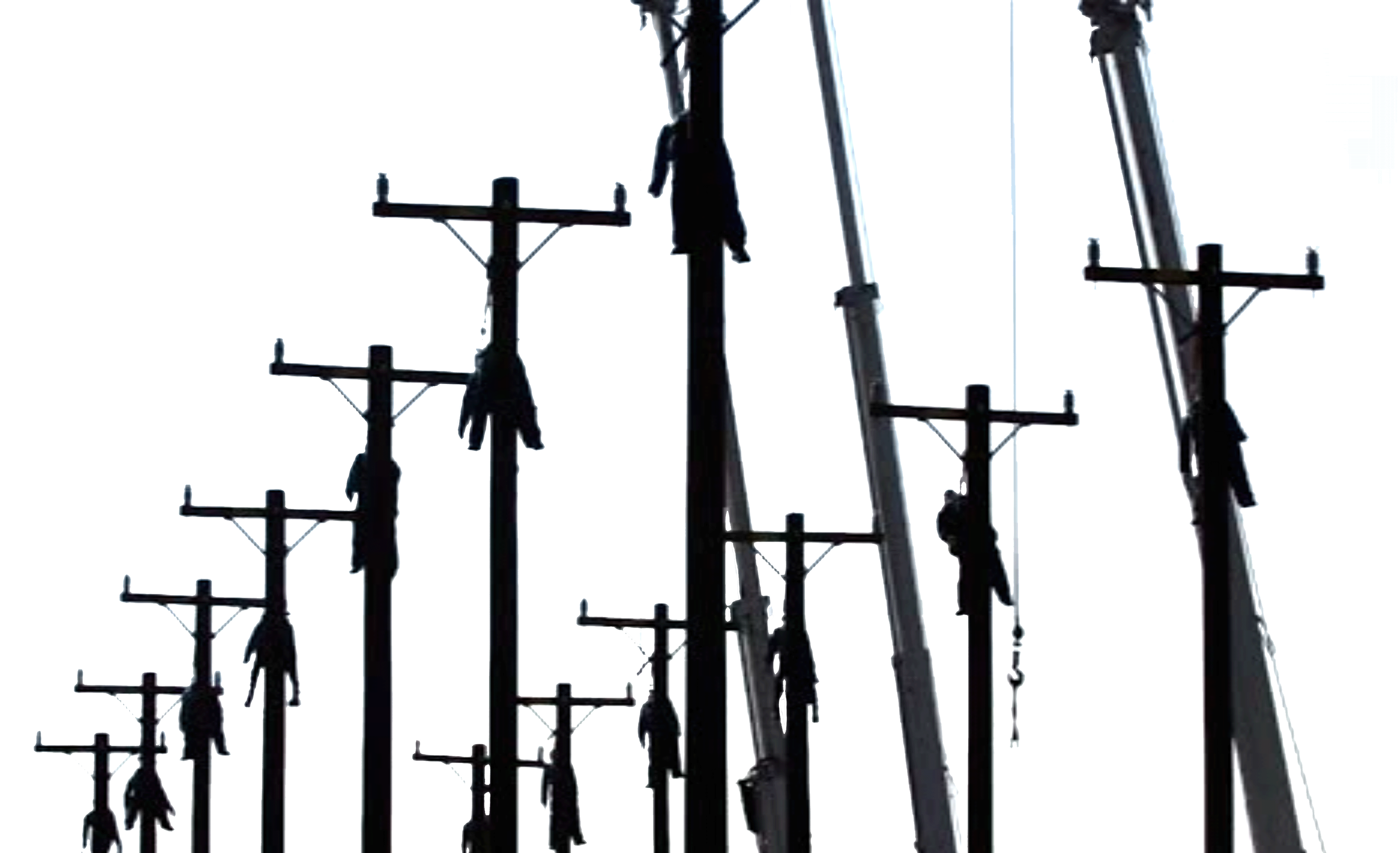
This course provides practical, field-oriented training in Pole Top
Rescue for professionals working at height in utility and high-voltage
environments. It focuses on the critical procedures, tools, and safety
practices required to perform an effective rescue of a suspended or
incapacitated worker from a utility pole. Participants will develop a
clear understanding of the five-step pole top rescue process, including
scene assessment, victim access, rigging techniques, and controlled
lowering using approved rescue equipment and methods.
The
training reinforces the importance of timely, safe, and compliant
rescues in accordance with Alberta OHS Code (Part 9 – Fall Protection
and Part 21 – Rigging) and applicable CSA standards. Through instructor
demonstrations, hands-on practice, and field performance evaluations,
learners will gain the skills to perform solo or team-based rescues
under real-world conditions. Emphasis is placed on knot tying, handline
rigging, equipment inspection, fall arrest protocols, and the use of
either the crossarm or pole method for victim lowering.
This
knowledge is essential for protecting workers from the effects of falls
and suspension trauma, reducing rescue response times, and ensuring
every crew member can act decisively and safely in the event of an
emergency.

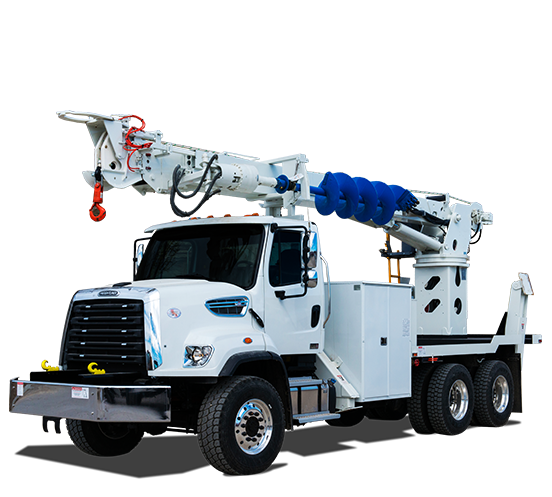
This course focuses on training new and experience operators, powerline technicians, and support staff, to operate a Radial Boom Digger (RBD) Truck safely. Focusing on code, rigging safety, equipment care, safe operation and load weight estimation. This 40 hour hands-on course will act as a refresher for the experienced operator, and a starting point for the new operator. It positions employees to be recognize as competent operators for their employers and sets the ground work for enter a career as a RBD operator.


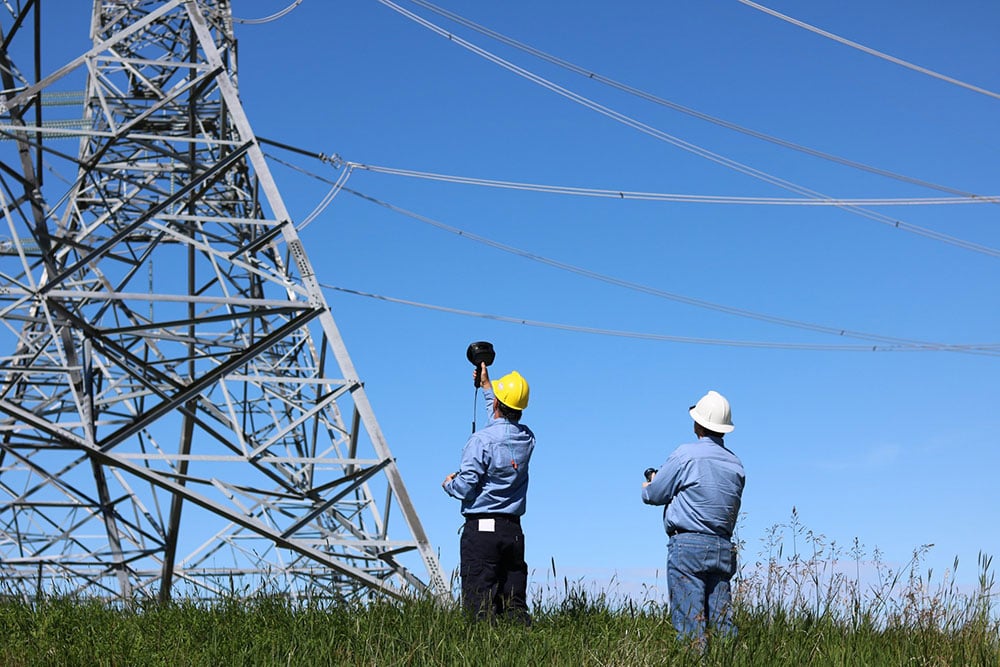
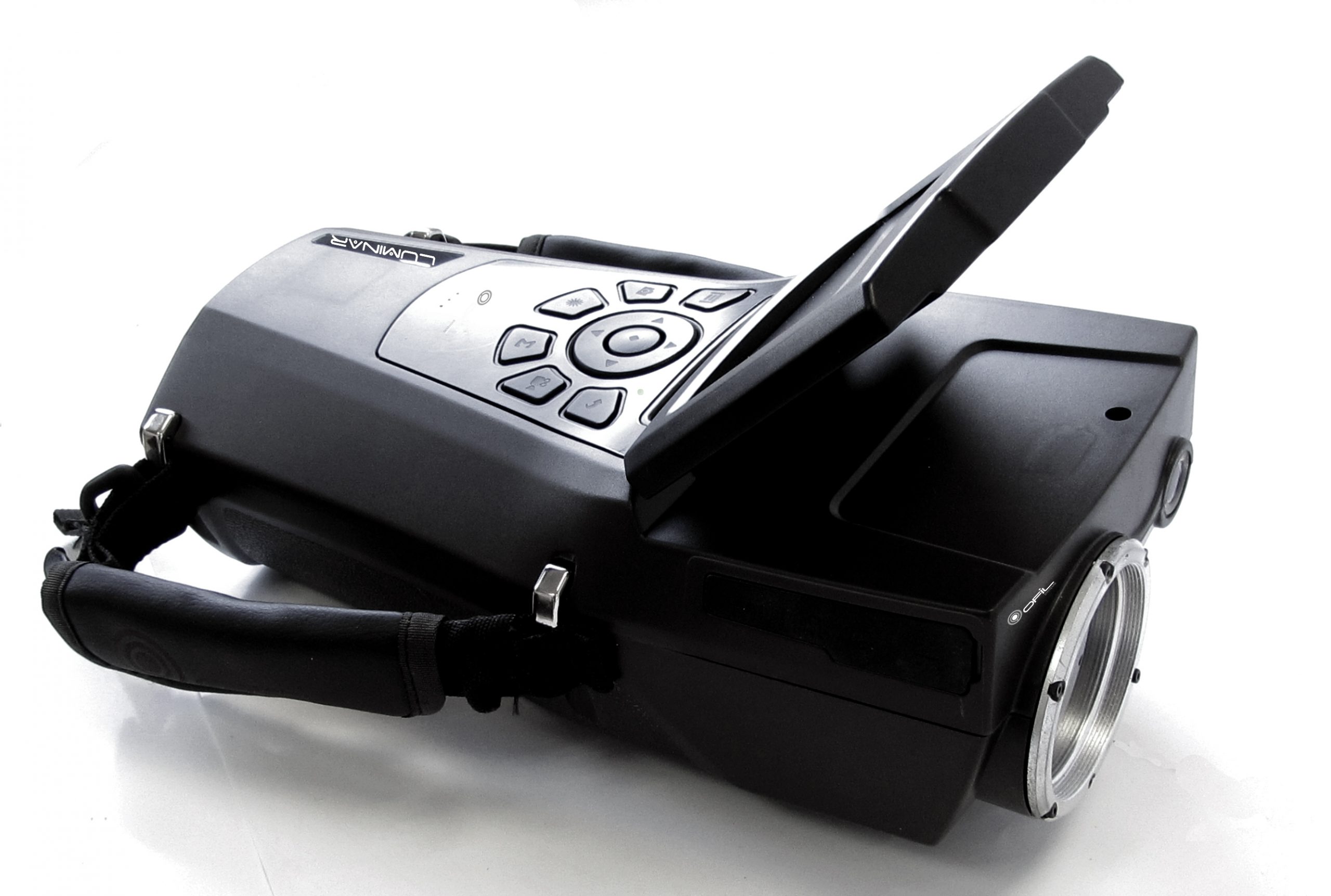
This course focuses on training professionals in the field of
ultraviolet (UV) imaging, emphasizing its theory and applications in
electrical power systems. It delves into the principles of UV imaging,
exploring its vital role in inspecting and maintaining electrical
infrastructure. Participants will gain in-depth knowledge of UV imaging
theory, including the science behind UV radiation, camera technology,
and the interpretation of UV images. The course also covers practical
applications, particularly in diagnosing and managing issues related to
non-ceramic insulators, pole fires, and substation equipment. Through a
combination of theory and case studies, learners will understand how UV
imaging is instrumental in detecting insulator degradation, corona
discharge, and other electrical faults. This knowledge is crucial for
ensuring the safety, efficiency, and reliability of power transmission
and distribution systems.